One number sets the scene. n8n, the automation tool, reached $100 million in annual revenue in April 2026, with 230,000 active users. And by the end of 2025, more than 80% of the workflows built on the platform already ran an AI agent somewhere in the chain. Put simply, automation and AI have merged, and the market moved right along with them.
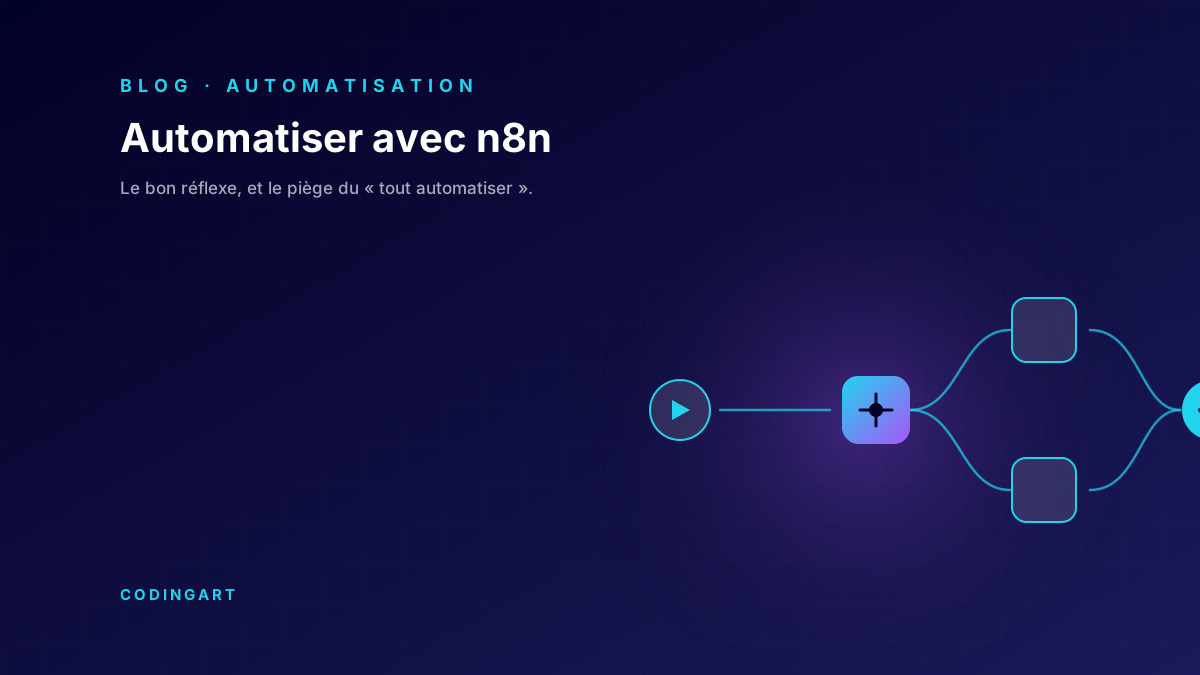
In practice, n8n wires your tools together and lets a chain of steps run on its own. A form that fills in your CRM. An incoming email sorted and answered for you. A report summarized every Monday morning. Lately it goes past firing off fixed steps: an agent can decide what to do based on what it reads.
It's powerful, and that is exactly where a lot of people trip up.
Two traps that cost you
The first is automating a process that's already broken. If your client follow-up is shaky by hand, automating it just makes it shaky faster, and at a bigger scale. Tidy up before you speed up.
The second comes with agents that decide on their own. As long as a workflow follows a clear rule, it stays predictable. The moment you give it a choice, you need guardrails: what happens when it gets something wrong, who gets alerted, where the stop button is. Without those, you have handed a decision to something that answers to no one.
The right way in
It's boring, which is why it works. You pick one task your teams hate, a single repetitive one that eats their hours. You put a number on it: five, ten hours a week. You automate it, keep a human on the edge cases, and you only talk about doing more once that time is genuinely back.
Good automation is invisible. It just makes a chore disappear, every day, without anyone thinking about it.
Tags